In the ever-evolving packaging industry, the Printed Paper Box has become a significant player. A report from Research and Markets indicates that the global paper box market is poised to reach $200 billion by 2026, driven by its eco-friendly features. Buyers today seek both functionality and aesthetics in packaging, making printed paper boxes a preferred choice.
Companies are increasingly focusing on sustainability, often prioritizing recycled materials. According to a Smithers report, nearly 70% of consumers prefer brands that use sustainable packaging. This growing demand opens opportunities for global buyers to explore reliable suppliers for high-quality printed paper boxes. However, choosing the right wholesale supplier can be challenging, involving various factors that need careful consideration.
Buyers should question the consistency of print quality and material durability. There are instances where less reputable suppliers fail to meet expectations. Trustworthiness is key; research into supplier backgrounds is essential. Understanding market trends and customer preferences can guide buyers toward informed choices, ensuring they invest in printed paper boxes that enhance their brand's reputation while meeting demand.
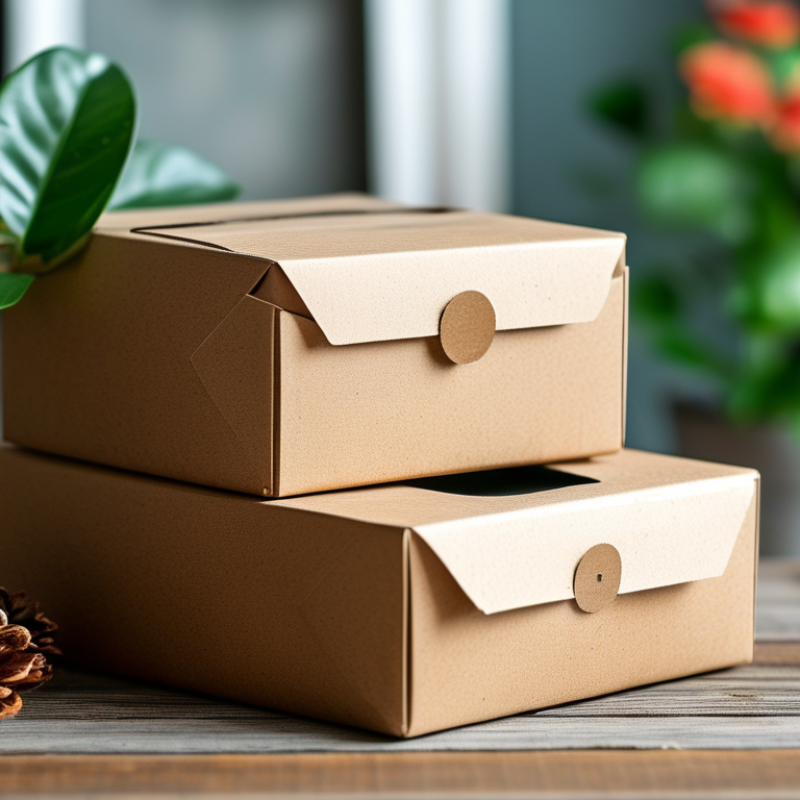
Printed paper boxes are versatile packaging solutions widely used across various industries. They come in different types, including folding boxes, rigid boxes, and mailer boxes. Folding boxes are lightweight and cost-effective. They are often used for retail products, such as cosmetics and food items. Rigid boxes, on the other hand, offer more durability and a premium feel. These are ideal for luxury goods like jewelry and electronics.
Understanding the uses of printed paper boxes is essential for global buyers. These boxes can be customized with logos, colors, and designs. This customization enhances brand recognition and attracts customers. Additionally, many businesses choose eco-friendly materials for their boxes, aligning with sustainability goals. The challenge lies in balancing cost with quality. Cheap options may compromise the box’s sturdiness and printed design quality. Buyers must weigh their choices carefully to reflect their brand’s values.
Selecting the right type of printed paper box also depends on product dimensions and shipping needs. Oversized boxes may lead to increased shipping costs. On the contrary, undersized boxes risk damaging products during transit. It’s crucial to consider the product and packaging space wisely. Ultimately, investing time in understanding these elements will pay off in a successful packaging strategy.
| Box Type | Dimensions (cm) | Material | Uses | Minimum Order Quantity | Average Price (USD) |
|---|---|---|---|---|---|
| Folding Box | 10 x 10 x 5 | Kraft Paper | Food Packaging | 1000 | 0.50 |
| Rigid Box | 20 x 15 x 10 | Paperboard | Gift Packaging | 500 | 2.50 |
| Sleeve Box | 15 x 10 x 5 | Cardboard | Cosmetic Packaging | 2000 | 1.00 |
| Custom Printed Box | Varied | Art Paper | Electronics Packaging | 100 | 5.00 |
| Pizza Box | 30 x 30 x 5 | corrugated Board | Food Delivery | 800 | 0.75 |
: Research the market and look for suppliers with positive customer feedback. Engage directly with them for insights.
About 70% of purchasing decisions are influenced by product quality. Ensure reliance on high-quality materials.
Options include corrugated cardboard, chipboard, and paperboard. Each has unique strengths and cost considerations.
Certifications like FSC and PEFC ensure responsible sourcing and adherence to environmental standards.
Yes, optimized designs can reduce shipping costs and enhance product protection. Don’t overlook these aspects.
Request samples or prototypes. Inspect details like adhesive strength and edge sealing for reliability evaluations.
Not every supplier will meet expectations. Always ask for samples to avoid costly mistakes before bulk orders.
Trade shows facilitate connections with innovative suppliers and help assess quality standards directly through interaction.
Weak seals can lead to product damage. Request testing reports to ensure reliability and durability of seals.
Yes, the process can be complex. It requires careful evaluation and reflection on supplier performance and quality metrics.
When considering the purchase of Printed Paper Boxes, it is essential to understand the various types and their specific uses in different industries. This guide outlines key factors to take into account, such as design, size, and printing options, which influence both aesthetics and functionality. Additionally, finding reliable wholesale suppliers is crucial for securing quality products at competitive prices.
Evaluating quality standards and materials is essential when selecting Printed Paper Boxes, as this impacts durability and presentation. Furthermore, navigating shipping and logistics for global deliveries can be complicated, requiring careful planning to ensure timely receipt and handling of orders. By considering these elements, buyers can make informed decisions that meet their packaging needs effectively.

 NSW Printing